
Simple Maintenance Steps That Help Your Surfaces Last Longer
To prevent cracks in concrete walkways and driveways, you need good drainage, proper sealing, and regular care. Most cracks form because of water, soil movement, or heavy weight. When you control those factors, your concrete stays strong for many years. A few small steps each season can save you from costly repairs later.
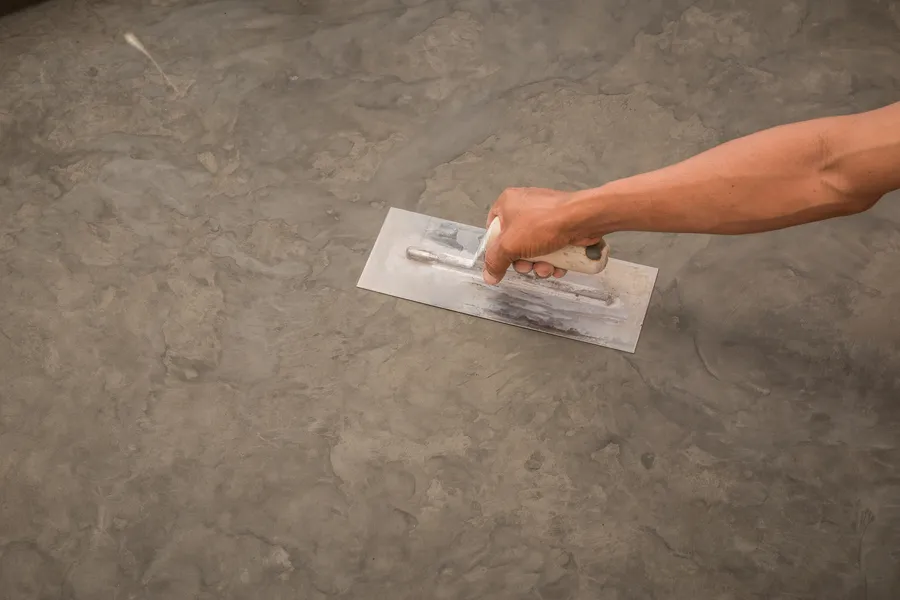
Why Prevention Matters
Concrete looks solid and tough. But it can crack if it is not maintained. Small cracks may not seem serious at first. Over time, they spread and get worse. Water seeps in. In cold weather, that water freezes and expands. This pushes the crack wider.
Preventing cracks protects your investment. It also keeps walkways safe. Uneven concrete can cause trips and falls. Regular concrete work maintenance helps you avoid these issues.
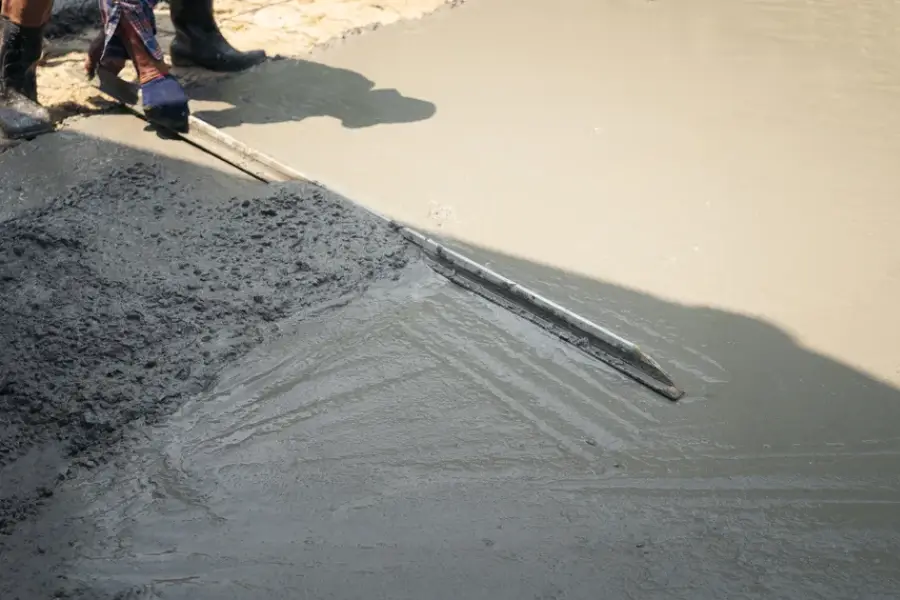
Early Warning Signs to Watch For
You can often stop damage early if you spot the signs. Check your driveway and walkways every few months.
- Thin hairline cracks
- Small puddles that do not drain
- Edges that start to crumble
- Sections that sink slightly
- Gaps near expansion joints
If you catch these issues early, simple repairs may fix them before they spread.
Seasonal Maintenance Checklist
Each season brings different stress to your concrete. Follow this basic routine to lower the risk of cracks.
- Clean the surface. Remove dirt, leaves, and debris.
- Wash off oil stains quickly to prevent surface damage.
- Check drainage. Make sure water flows away from the slab.
- Seal small cracks before winter.
- Apply a quality concrete sealer every few years.
- Avoid using harsh de-icing chemicals in cold months.
This simple schedule keeps moisture from getting deep into the slab. It also helps extend the life of your concrete work.
Best Practices for Long-Term Results
Good habits make a big difference. One of the most helpful steps is controlling water. Downspouts should direct water away from walkways and driveways. Sprinklers should not spray the surface every day.
Proper support under the slab is also key. Soil should be compact and stable before any new concrete work is done. If the ground shifts, the slab may crack. Tree roots can also push concrete upward. Plant large trees away from driveways and sidewalks.
Expansion joints are another major factor. These joints allow concrete to expand and shrink with temperature changes. If joints are missing or damaged, stress builds up and cracks form. Keeping joints sealed and clear helps prevent this problem.
What Not to Do
Some common mistakes can lead to early cracking.
- Do not ignore small cracks.
- Do not overload your driveway with heavy trucks or equipment.
- Do not use metal shovels that chip the surface.
- Do not let water pool for long periods.
- Do not skip sealing if your area has freeze and thaw cycles.
Even strong concrete has limits. Treating it with care helps it last much longer.
When to Schedule Professional Help
Some problems go beyond basic maintenance. Large cracks, sinking sections, or wide gaps may point to soil movement below the slab. Poor installation can also cause early failure.
If you notice multiple cracks forming in a short time, it may be time for professional concrete work. A trained crew can check the base, drainage, and joint spacing. They can also handle crack filling, resurfacing, or slab replacement if needed.
Professional service is also a good choice when installing a new driveway or walkway. Proper grading, reinforcement, and finishing all reduce the risk of future cracking. Quality workmanship at the start makes prevention much easier later.
Protect Your Walkways and Driveways for Years to Come
If you want long-lasting concrete in Sacramento, CA, regular maintenance makes all the difference. At Venegas Landscaping, we handle professional concrete work for driveways and walkways of all sizes. Our team focuses on proper installation, drainage, and repair methods that help prevent costly cracking. Call us at (916) 869-6939 to schedule an inspection or discuss your project, and we will help you protect your investment for the long run.