The Right Season Keeps Trees Healthy and Strong
Yes, timing matters a lot for tree trimming. The best season depends on the type of tree and your goal. In most cases, late winter or early spring is ideal because trees are still dormant. Trimming at the wrong time can stress the tree, slow its growth, or invite pests and disease. Picking the right season helps your trees grow better, stay safer, and look their best.
Why Prevention Matters
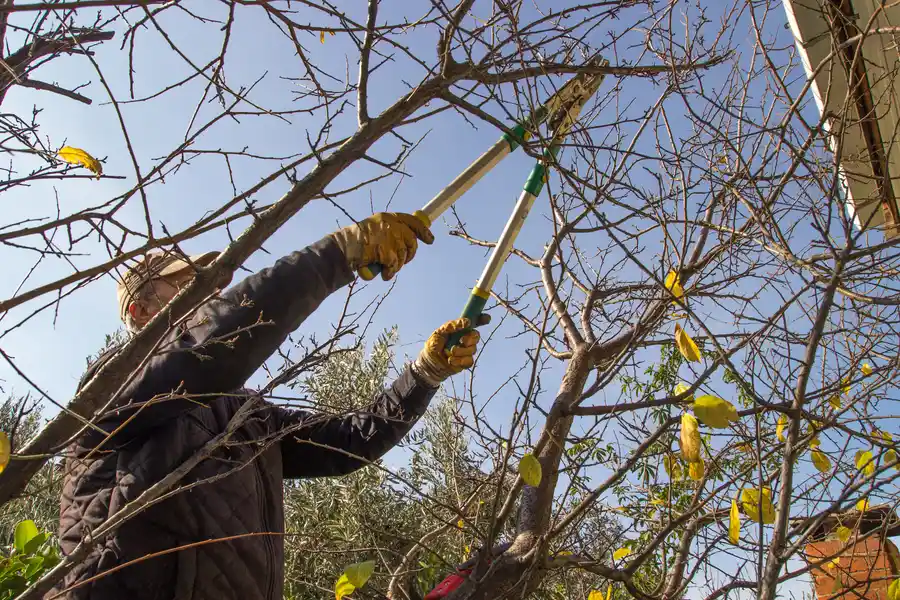
Tree trimming is not just about looks. It is a big part of tree care and property maintenance. When done at the right time of year, it helps prevent broken limbs, storm damage, and plant disease. It also keeps branches away from roofs, driveways, and power lines.
If you wait too long, small issues can turn into costly problems. A weak branch can snap in a storm. Overgrown limbs can rub against your roof. Thick growth can block sunlight from your lawn. Seasonal trimming helps stop these problems before they start.
Early Warning Signs Your Trees Need Attention
You do not always need to wait for a set season if your tree shows signs of trouble. Watch for these signs during the year:
- Dead or hanging branches
- Cracks in large limbs
- Branches touching your home
- Heavy growth on one side
- No leaves on certain limbs during growing season
If you notice these issues, your tree may need trimming sooner rather than later. Safety always comes first.
Seasonal Checklist for Tree Trimming
Different seasons serve different purposes. Here is a simple guide you can follow:
- Late Winter: Best time for most major trimming. Trees are dormant, so cuts heal well in spring.
- Early Spring: Good for shaping before full growth starts. Avoid trimming trees that bloom in early spring until after flowers fade.
- Summer: Light trimming is fine. This is a good time to remove small dead branches or slow down fast growth.
- Fall: Usually not ideal. Trees heal slower, and fungi spread more easily. Only trim if there is a safety risk.
Following this simple plan keeps your trees strong throughout the year.
Best Practices for Long-Term Results
Consistency matters more than cutting a lot at once. Small, regular trims are better than heavy pruning every few years. Removing too much at once shocks a tree and reduces energy production.
Focus on removing:
- Dead wood
- Crossing or rubbing branches
- Weak branch angles
- Low limbs over walkways
Use sharp, clean tools. Make clean cuts just outside the branch collar. This helps the tree seal the wound naturally. Avoid leaving stubs, since they attract pests and decay.
What Not to Do
Many tree problems start with poor trimming habits. Avoid these common mistakes:
- Topping the tree, which removes large upper sections
- Cutting more than 25 percent of the canopy at once
- Trimming during extreme heat or freezing weather
- Using dull or dirty tools
Topping is one of the worst mistakes. It causes weak regrowth and can shorten the life of the tree. Proper tree trimming keeps the natural shape intact.
When to Schedule Professional Help
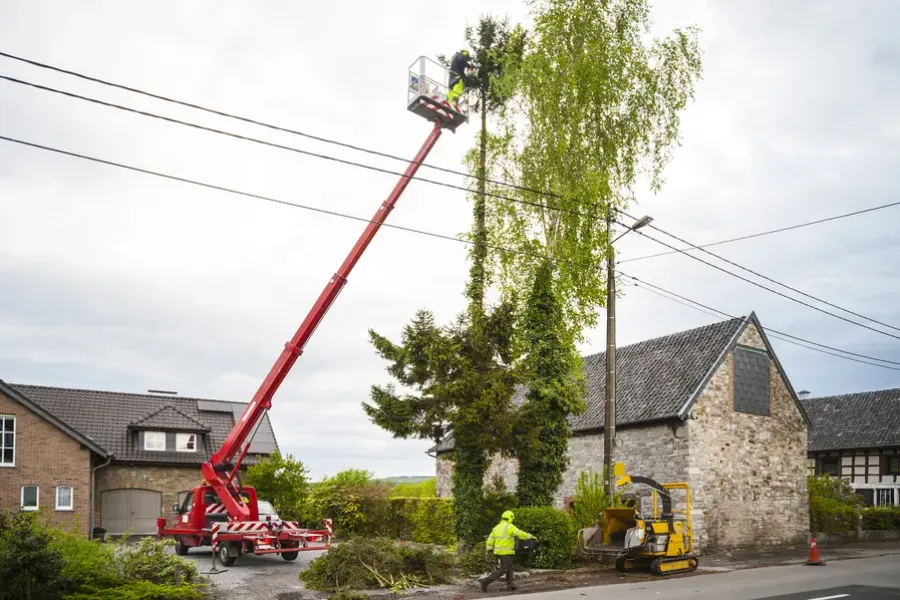
Some jobs are too big or risky to handle alone. Large trees, tall branches, and limbs near power lines require skill and proper equipment. If your tree has storm damage or signs of disease, expert care may also be needed.
A trained crew can inspect the structure of the tree and decide the safest time and method for trimming. They can also spot hidden problems, such as internal rot or pest damage. Planning seasonal tree trimming with a professional helps protect both your property and your trees.
Schedule the Right Season for Healthier Trees
If you are in Sacramento, CA, timing your tree trimming with the seasons can make a big difference in safety and growth. At Venegas Landscaping, we handle seasonal trimming with care and attention to detail. We focus on safe cuts, proper timing, and long-term tree health. Call us at (916) 869-6939 to set up a visit and plan the right schedule for your property. We are here to help your trees stay strong all year.